
That small space opening up between your floor and the wall? It’s easy to brush it off as a minor cosmetic issue. But that gap is often your home’s first warning sign of a much bigger problem brewing beneath the surface. Many homeowners don’t realize that serious issues, like foundation settlement, often start silently. By the time you notice significant floor and wall gaps, long-term damage may have already occurred. Learning to spot these early signs is the key to protecting your home from complex and costly repairs.
Some Gaps Are Normal and Intentional
In the long run, this issue could become more costly when it is not addressed. Here are a few solutions to help solve the problem if you are willing to make the investment in your home and fix it with the right people!
Gaps in Floors and Walls: Early Fixes
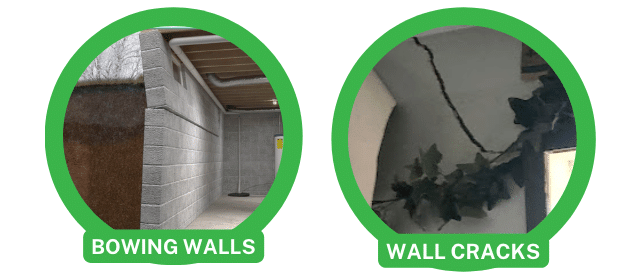
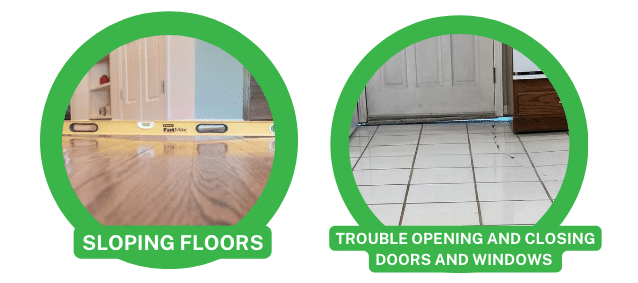
The earlier you address an issue like this, the easier and cheaper it will be to fix. When experiencing floor and wall gaps, here are a few signs to look out for:
-
- Walls in the basement that are bowing
- Cracks in the Drywall
- Floor joists that bounce
- Having trouble opening or closing your windows and doors
Detecting these signs is easier than finding small gaps in the floor and walls. A floor or wall gap can indicate a structural problem despite its small size. The question is whether you can catch them before the damage becomes more severe.
DIY Solutions for Non-Structural Gaps
If you’re confident the gap between your floor and wall is purely cosmetic and not a sign of a deeper structural problem, there are a few DIY fixes you can tackle. These solutions are great for small, consistent gaps caused by things like flooring changes or normal settling. However, if you have any doubt about the cause of the gap, or if you see other warning signs like bowing walls or sticking doors, it’s best to pause the DIY project. The safest first step is to have a professional take a look. We can help you determine the root cause with a free, no-obligation inspection to give you peace of mind before you cover up a potentially serious issue.
Use Caulk and a Backer Rod
For minor gaps, applying a flexible caulk is a quick and easy fix. If the gap is on the larger or deeper side, you’ll want to use a backer rod first. A backer rod is a flexible foam tube that you press into the gap to fill most of the empty space. This gives the caulk a solid surface to adhere to and prevents you from using an entire tube of sealant just to fill one crack. Once the rod is in place, you can apply a smooth bead of flexible caulk over the top for a clean, sealed finish that will cover the gap.
Install Shoe Molding or Quarter-Round Trim
Another effective way to hide gaps is by installing decorative trim, like shoe molding or quarter-round. These small pieces of wood or composite trim are designed to sit at a 90-degree angle, neatly covering the space where the baseboard meets the floor. This is a purely cosmetic solution, but it creates a polished, professional look and completely hides any unsightly gaps. It’s a popular choice after installing new flooring that might have left a small, uniform gap around the perimeter of the room.
Replace Baseboards with a Taller Profile
If the gap is too large for shoe molding to cover, or if you’re looking for a more seamless update, consider replacing your baseboards entirely. By choosing a new baseboard with a taller profile, you can easily cover the gap between the wall and the floor. While this option requires more effort—you’ll need to remove the old trim, cut the new pieces to size, and install them—it can significantly update the look of your room while solving the problem of the gap in one go.
Materials to Use (and Which to Avoid)
When you’re ready to tackle a DIY fix, choosing the right materials is just as important as the technique you use. The goal is to find a solution that is both effective and durable, without accidentally causing more problems down the line. Some products are perfect for the job, while others can turn a small cosmetic issue into a much bigger headache. Here’s a quick guide to help you pick the right supplies for sealing those non-structural gaps and what you should definitely leave on the hardware store shelf.
Choose a Flexible Sealant
When filling small, static gaps, always opt for a flexible sealant. Products like silicone, polyurethane, or flexible caulk are ideal because they can accommodate the minor, natural movements of your home as it settles or responds to temperature changes. A rigid filler, on the other hand, is likely to crack and pull away over time, forcing you to repeat the repair. Flexibility is key to ensuring your fix lasts and continues to look good for years to come.
Avoid Using Expanding Foam
Whatever you do, do not use expanding foam to fill gaps between your floor and walls. While it might seem like a quick and easy way to fill a void, the foam expands with significant force. This pressure can actually push baseboards away from the wall or worsen existing cracks. More importantly, using foam can mask the signs of a serious underlying issue. If the gap is a symptom of a shifting foundation, filling it with foam just hides the evidence, allowing the real problem to get worse. If a gap is large enough that you’re tempted to use foam, it’s a strong indicator that you need professional foundation repair instead of a cosmetic patch.
When to Seek Professional Help
While some minor gaps can be handled with simple cosmetic fixes, it’s crucial to know when a gap is signaling a deeper, more serious problem with your home’s structure. Ignoring these warning signs can lead to more extensive and expensive damage down the road. If you’re seeing more than just a tiny, stable crack, it’s probably time to stop thinking about DIY solutions and start considering a professional opinion. Certain symptoms are clear indicators that the structural integrity of your home might be at risk, and these require the expertise of a specialist to diagnose and properly address the root cause of the issue.
Gaps That Widen Over Time
A small, consistent gap might not be a cause for immediate alarm, but a gap between your floor and walls that is actively growing is a major red flag. This widening indicates that there is ongoing movement happening within your home’s structure. The cause could be anything from foundation settling due to shifting Oklahoma soils to more severe issues like rotting floor joists that can no longer support the weight above them. Watching a gap expand over weeks or months means the underlying problem is not only present but worsening. This is a clear sign that you need a professional assessment to determine the source of the movement and prevent further structural damage.
Other Warning Signs of Foundation Issues
Gaps aren’t the only symptom to watch for. Often, they appear alongside other tell-tale signs of foundation distress. Take a look around your home for bowing basement walls, new or expanding cracks in your drywall, or doors and windows that have become difficult to open and close. When you see these issues in combination, it strongly suggests a significant problem with your foundation. Catching these problems early is the best way to protect your home and your wallet from more complicated repairs. If you’ve noticed any of these warning signs, the most responsible next step is to schedule an inspection with a foundation repair expert who can accurately diagnose the problem.
Is There A Risk Of Floor And Wall Gaps Affecting Other Parts Of My House?
Gaps in your floors and walls may affect other parts of your house. Even though they may not be causing issues at the moment, these issues can have severe ramifications in the future. Here are some things you need to know about how it applies to your home and other areas.
- Individual Rooms
When you examine these rooms, you may find cracks that are obvious. You do not want them in your beautiful residence because they are not pretty and can be frustrating.
Cracks between the baseboard and the ceiling are not a pleasant thing, but we can certainly help you and your family fix them.
Especially if the issue is left unattended for an extended period of time, small items can fall between the baseboard and the wall and get lost. If the gaps get bigger, you’re more likely to get insects, rodents, and other critters.
- The General Structure
Gaps in walls and floors do not just appear out of nowhere! In most cases, structural problems begin long before signs of trouble appear. There is a chance this problem will arise when one side of the floor sinks more than the other. Some homes may experience floor separation due to this.
In addition to creating structural problems, this gap also causes tension. You may not be aware that gaps between your floors and walls can cause your drywall to crack. It can happen when the wall begins to carry more weight than it was designed for. You may end up with a much more serious issue if you start seeing this secondary issue throughout your home.
- Outside The Home
What about the exterior of your home? Specific areas can also be negatively impacted by floor and wall gaps. This points to the underlying cause of these floor and wall gaps. When floor or wall gaps appear, it is usually because your home’s structural integrity has been compromised. You may experience this problem in various places within your home.
If the weight of the home is greater on one side than the other, it can damage the concrete foundation that it rests on. Overcompensated weight on one side of your home can affect your driveway, sidewalk, patio, deck around your pool, and many other areas. Having structural instability could have a significant impact on all of these concrete structures.
How to Prevent Future Gaps
Once you’ve addressed the existing gaps, the next step is to play defense. Preventing new gaps from forming is all about managing the forces that caused them in the first place—primarily soil and water. A little proactive maintenance can save you a lot of headaches and money down the road. By focusing on a couple of key areas, you can protect your home’s structural integrity and keep your floors and walls right where they belong, ensuring your home remains a safe and stable environment for your family.
Improve Drainage Around Your Foundation
Water is often the main culprit behind foundation problems. When the soil around your home becomes saturated, it expands, putting immense pressure on your foundation walls. When it dries, it shrinks, causing the foundation to settle unevenly. The key is to keep water away from your foundation. Start by checking the grading, or slope, of the ground around your house. It should slope away from your foundation to direct rainwater away, not toward it. Also, ensure your gutters are clean and your downspouts extend several feet from your home. These simple measures are part of a larger strategy for effective drainage solutions that protect your home from the ground up.
Conduct Annual Inspections
Catching problems early is the best way to prevent major structural damage. Make it a habit to walk around your home’s interior and exterior at least once a year to look for changes. Pay close attention to areas where you previously had gaps, and look for any new cracks in the drywall, foundation walls, or concrete slabs. It’s especially wise to do this after periods of heavy rain or before winter sets in. If you notice a gap widening or a new crack appearing, it’s a sign that there’s an underlying issue that needs attention. While you can spot many issues yourself, having an expert take a look can provide peace of mind. A professional inspection can identify subtle signs of trouble you might miss.
We have a solution!
We would love to help you and your family find the right solution to protect the integrity of your home! Contact us today at (855) 55-VESTA and schedule a free inspection!
Frequently Asked Questions
How can I tell if a gap is a normal part of my house or a real problem? The easiest way to tell the difference is by looking at the gap’s characteristics and checking for other signs. A normal, intentional gap, like one for flooring expansion, is usually small (about a quarter-inch) and uniform all the way around the room. A problem gap is often uneven, wider in some spots than others, and may change or grow over time. If you see a gap along with other issues like sticking doors, new drywall cracks, or sloping floors, it’s a strong signal that you should have your foundation checked.
Is it safe to just cover a small gap with trim or caulk? Covering a gap is only safe if you are absolutely certain it’s a cosmetic issue, like a space left after changing your flooring. If the gap is a symptom of foundation movement, covering it up is like putting a bandage on a broken bone. It hides the problem but allows the underlying structural issue to get worse, which can lead to much more complex and expensive repairs later. When in doubt, it’s always best to get a professional opinion before starting a DIY fix.
My gap seems small now. How quickly can a foundation problem actually get worse? The speed at which a foundation problem progresses can vary quite a bit. It often depends on the weather and our unique Oklahoma soil. A period of heavy rain can cause the clay soil to swell dramatically, while a long drought can cause it to shrink and pull away from your foundation. Either of these events can accelerate settlement and cause a small gap to widen noticeably in just a few months. The key is that foundation issues never fix themselves; they only worsen over time.
What actually happens during a professional foundation inspection? During a professional inspection, a specialist will conduct a thorough visual assessment of your entire property. They will examine the interior of your home for signs of stress, like cracks in the walls, uneven floors, and gaps around door frames. They will also inspect the exterior, looking for cracks in the foundation itself and checking the condition of the surrounding soil and drainage. The goal is to identify the root cause of the problem, not just the symptoms, so they can recommend a precise and permanent solution.
Besides fixing the gaps, what’s the most important thing I can do to protect my foundation? The single most effective thing you can do to protect your foundation is to control the water around your home. Most foundation problems are caused by soil that is either too wet or too dry. Make sure your gutters are clean and that your downspouts direct water at least five to ten feet away from your house. Also, check that the ground around your foundation slopes downward, encouraging water to drain away naturally. Consistent moisture management is the best defense against future foundation movement.
Key Takeaways
- Know the Difference Between Safe and Serious Gaps: Not all gaps are bad news; builders often leave small, even spaces for flooring to expand. The real red flags are gaps that grow over time, are uneven, or show up with other warning signs like cracked drywall.
- Treat the Cause, Not Just the Crack: Before you reach for the caulk, figure out why the gap exists. Cosmetic fixes are fine for minor issues, but if you suspect a foundation problem, covering it up only hides the evidence while the real damage gets worse.
- Prevent Future Problems with Smart Maintenance: The best way to stop gaps from forming is to manage water. Make sure your yard drains away from your house and conduct yearly walk-throughs to spot new cracks or changes before they become major repairs.
Related Articles
- My Foundation Concern: Floor and Wall Gaps | Foundation Repair & Basement Waterproofing
- Signs of Sagging Floors | Foundation Repair & Basement Waterproofing
- Wall Cracks | Foundation Repair & Basement Waterproofing
- Starting Off Right: How to Look for Signs and Symptoms of Foundation Failure
- The Role of Proper Drainage in Preventing Foundation Damage